Santhia: Elevating Design with Natural Handwritten Calligraphy
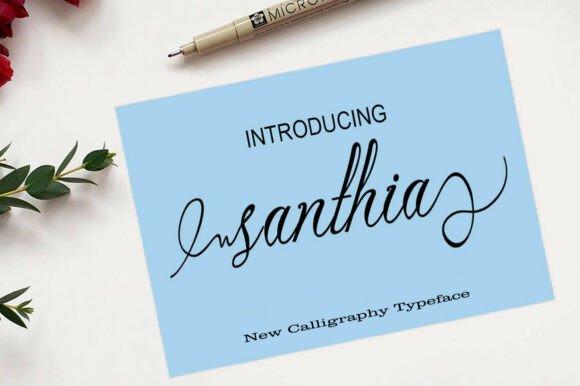
In a digital landscape saturated with sterile, geometric typefaces, there is a growing hunger for authenticity. We crave the human touch, the slight imperfection of ink on paper, and the rhythm of a hand that has truly lived. This is where Santhia steps in. It is not merely a font; it is a bridge between traditional calligraphic artistry and modern design efficiency. Designed from actual handwriting, Santhia captures the fluidity and organic movement of a brush, offering a modern and unique form of calligraphy that feels incredibly natural. For designers, brand strategists, and creative enthusiasts, understanding how to leverage this tool can transform static layouts into engaging visual stories.
The Power of Organic Typography in Branding
When we talk about branding, we often think of logos and color palettes, but typography is the voice of your brand. A font like Santhia speaks volumes before a single word is read. Its strength lies in its versatility within the realm of personal and boutique branding. Consider the wedding industry, where emotion is the primary currency. Invitations are not just informational; they are keepsakes. Using Santhia for greeting cards or wedding suites adds a layer of intimacy that rigid serif or sans-serif fonts simply cannot achieve. The natural writing style suggests that someone took the time to write each name by hand, creating an immediate emotional connection with the recipient.
Beyond weddings, small businesses benefit immensely from this aesthetic. Imagine a local bakery, a handmade jewelry studio, or a wellness coach. Their brand identity needs to feel approachable, warm, and artisanal. Santhia works beautifully on business cards, packaging labels, and social media graphics. It signals to the customer that the product behind the brand is crafted with care. However, it is crucial to use it strategically. Because it is a display font with strong personality, it should be paired with clean, neutral body text. This contrast ensures readability while allowing Santhia to shine as the hero element.
Practical Applications Across Industries
The utility of Santhia extends far beyond stationery. In the world of interior design and home decor, typography has become a major decorative element. Posters featuring inspirational quotes or minimalist wall art look stunning when rendered in a script that mimics genuine calligraphy. The flow of the letters creates visual movement, guiding the eye across the composition. For graphic designers working on poster campaigns for music festivals, art exhibitions, or literary events, Santhia offers a contemporary edge. It avoids the cliché of old-world copperplate scripts, offering instead a fresh, modern vibe that resonates with younger demographics aged 20 to 50 who value both style and substance.
Digital content creators also find immense value in this typeface. YouTube thumbnails, Instagram story overlays, and Pinterest pins require text that pops without feeling aggressive. Santhia’s unique forms allow for creative layering. You can overlap elements, adjust opacity, or use it as a background texture to add depth to digital images. The key is to treat the font as an illustration rather than just text. When used in quotes for social media, the natural variation in stroke width adds dynamism, making the content more shareable and visually appealing.
Technical Considerations and File Formats
To get the most out of Santhia, it is important to understand the technical backbone of the file. The package includes both Salsabila.OTF and Salsabila.TTF formats. For most professional designers using Adobe Illustrator, Photoshop, or CorelDraw X versions and above, the OpenType (.OTF) version is the preferred choice. OpenType fonts support advanced typographic features, such as ligatures, stylistic alternates, and contextual substitutions. These features ensure that when you type common letter combinations, the font automatically adjusts the connections to mimic real handwriting, preventing awkward overlaps or repetitive patterns.
However, not everyone has access to high-end design software, and that is perfectly fine. If you are using basic word processors or do not have programs that support extensive OpenType features, you can still access the beauty of this font. The TTF (TrueType Font) version is widely compatible with almost all operating systems. For users on Mac, Font Book allows you to preview and install the font easily. Windows users can utilize the Character Map to browse through available glyphs. While you might miss out on some automatic ligatures, the core aesthetic of Santhia remains intact. You can manually select alternative characters if needed, giving you control over the final look even in simpler environments.
Navigating Limitations and Best Practices
While Santhia is wonderful, it is not a one-size-fits-all solution. Its greatest strength—its distinctive, flowing character—is also its limitation. It is not suitable for long paragraphs of body text. The intricate connections and varying baseline heights can cause eye strain if read in large blocks. Therefore, reserve Santhia for headlines, titles, short phrases, and decorative elements. Always prioritize legibility. If the context requires quick information scanning, such as a menu or a technical manual, stick to simpler fonts for the main content and use Santhia only for section headers or accent words.
Another consideration is color and background. Because calligraphy relies on the contrast between thick and thin strokes, placing Santhia on busy backgrounds can make it disappear. Ensure there is sufficient contrast between the text color and the background. White or cream text on dark, textured backgrounds often looks elegant, while dark charcoal or navy on light pastels creates a soft, inviting feel. Avoid using neon colors or low-contrast combinations that dilute the elegance of the script.
Unlocking Creativity with Alternative Characters
One of the hidden gems of Santhia is the variety of alternative characters included in the font file. These "alternative flying machines," as some enthusiasts might poetically describe the swirling ascenders and descenders, allow for customization. By accessing these alternates, you can avoid repetition in designs where the same letter appears multiple times. For instance, if you are designing a logo with the word "Love," you can choose different styles for the 'L' or the 'e' to create a balanced composition. This level of detail separates amateur design from professional polish. Exploring the full glyph set through your font management tool reveals these treasures, enabling you to tailor the font to specific spatial constraints or aesthetic preferences.
Ultimately, Santhia is more than a tool; it is an invitation to slow down and appreciate the art of writing in a digital age. Whether you are crafting a heartfelt invitation, building a brand identity, or designing a motivational poster, this font provides the warmth and humanity that modern audiences crave. By understanding its strengths, respecting its limitations, and leveraging its technical features, you can create designs that not only look beautiful but also feel authentic. Embrace the natural flow, experiment with the alternates, and let your creativity take flight with every stroke.